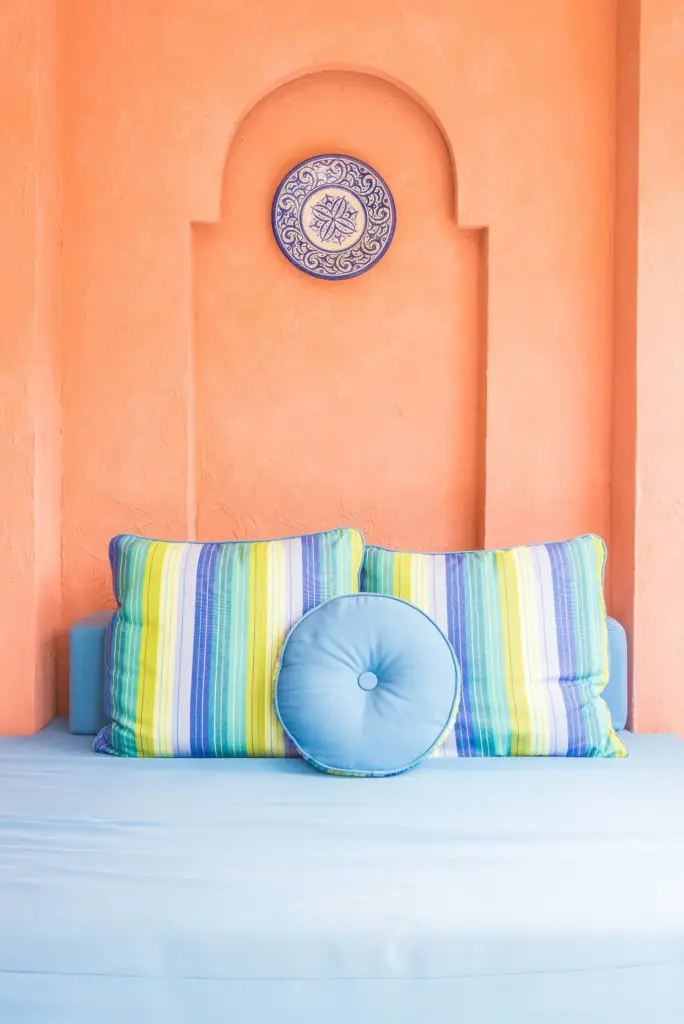
Start with a Cohesive Vision

Before buying anything, define how rooms relate, which paths people take, and where the eye should rest. A simple design charter—purpose, palette, materials, and mood—prevents impulse spending and duplication. In a tiny studio we mapped zones on paper, then aligned purchases, saving money while increasing clarity and comfort.

Map the Flow and Functions

Sketch the daily journey from door to desk to dining, noting bottlenecks, noise, and light. Assign each zone a job and an adjacent support surface. This honest map reveals where integration matters most, guiding focused upgrades instead of scattered décor that never quite works.

Create a Palette that Works Everywhere

Limit base colors to two neutrals and one accent family, then vary saturation and texture by room. When flooring tones connect, trim color repeats, and metals remain consistent, affordable pieces feel intentional. A restrained palette reduces costly repainting and simplifies future purchases across seasons.

Unify with Repetition and Rhythm

Repeat handles, wood tones, curtain styles, and rug proportions to create rhythm a visitor senses immediately. Even thrifted finds feel connected when profiles echo. Choose one visual motif—arches, slats, or grids—and let it reappear subtly, steering decisions and shrinking options so prices, and doubts, stay low.

Smart High–Low Combinations

Combine a budget cabinet box with a meticulously installed, midrange countertop and high-quality pulls. The hand feels luxurious where it matters, while the structure remains economical. This hierarchy sustains durability, communicates coherence across rooms, and prevents wasteful replacement cycles triggered by purely decorative disappointments.

Alternative Surfaces with Presence

Consider painted MDF with crisp profiles, cork for warmth and acoustics, or sealed plywood with intentional edge reveals. These choices photograph beautifully, age honestly, and integrate with various styles. With clear finishing plans, maintenance stays simple, protecting money and mood as life shifts and routines evolve.

Upcycling with Discipline

Refinish, reupholster, or modify pieces only when they support the overall direction, not just because they are available. Measure, mock up, and test comfort before committing time. Purposeful upcycling adds character, limits landfill waste, and keeps your investment focused on alignment rather than endless tinkering.

Materials that Stretch Every Dollar

Leverage durable, affordable finishes that mimic pricier references without pretending. Pair laminate with solid-wood edges, paint existing casework, and embrace porcelain that resembles limestone. By investing in touchpoints and saving on surfaces, you maintain integrity, achieve cohesion, and reserve budget for lighting, hardware, and transformative details.

Create an Ambient Spine

Run a consistent ambient strategy through connected spaces: ceiling washes, low-glare fixtures, or tall lamps that bounce light. Keep color temperatures within a narrow range, so rooms read as a family. A gentle spine calms the home and frames moments where accents can sing.

Tell Stories with Accent Light

Direct small, focused beams onto artwork, plants, shelves, or textured walls to create continuity points. Repeat a signature glow, like warm halos behind headboards or cabinets. These cues guide attention between zones, adding perceived richness without expensive furniture or complicated construction, especially in compact apartments.

Simple Controls, Big Impact

Group fixtures by activity and install dimmers or smart bulbs where rewiring is impractical. Scenes for cooking, reading, and winding down create repeatable comfort. Coordinated controls reduce visual clutter from switches, support energy savings, and make integrations feel intentional rather than patched together late.

Furniture That Bridges Spaces

Choose forms that converse across rooms: shared heights, matching leg styles, and complementary finishes. Anchor the plan with one confident, versatile piece per area, then layer flexible companions. When profiles relate, transitions feel natural, and budget choices sit proudly instead of apologizing for compromises.

Neutrals as a Harmonizing Base

Choose two friendly neutrals with different temperatures, like warm greige and cool soft gray, then let wood and stone bridge them. With a cohesive base, even playful pillows, art, and flowers rotate freely, preserving continuity. This approach reduces repainting, storage needs, and second-guessing.

Textiles that Echo, Not Match

Repeat textures rather than precise patterns: a nubby weave in the living room, a similar hand on bedroom cushions, and a complementary rug in the hall. Echoing texture creates connection without monotony, allowing budget buys to feel chosen, not merely available during a sale.

Phasing, Budgeting, and Community Support

Break the journey into achievable phases that each deliver visible integration. Track spending by category, reserve contingencies, and celebrate milestones. Ask neighbors about trusted trades, swap leftovers, and share samples. Community wisdom accelerates learning, reduces waste, and keeps motivation high when energy or funds momentarily dip.
Temomofuvamalefixepe
Privacy Overview

This website uses cookies so that we can provide you with the best user experience possible. Cookie information is stored in your browser and performs functions such as recognising you when you return to our website and helping our team to understand which sections of the website you find most interesting and useful.